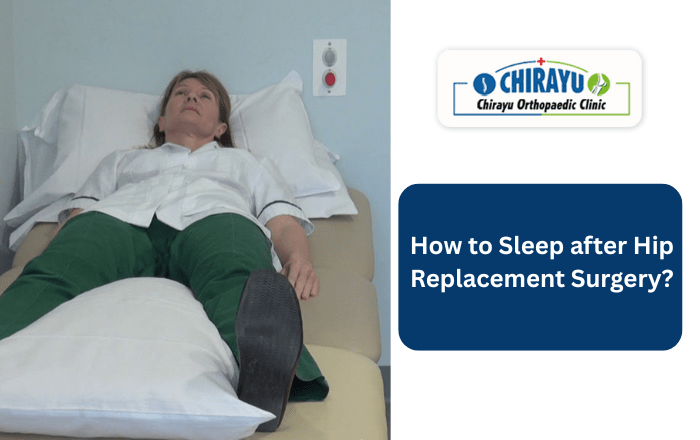
Recovering from hip replacement surgery is a gradual process, and one of the biggest challenges many patients face is getting comfortable sleep. Quality sleep is essential for healing, pain control, and overall recovery. However, post-surgery stiffness, pain, and movement restrictions can make sleeping difficult in the initial weeks. This guide explains safe and comfortable ways to sleep after hip replacement surgery, along with practical tips to help you rest better and heal faster.
Why Sleep Is Difficult after Hip Replacement Surgery
After surgery, your body is adjusting to a new joint. Swelling, muscle tightness, and pain can disturb sleep, especially during the first few weeks. In addition, doctors recommend certain sleeping positions to protect the new hip, which may feel unfamiliar. Anxiety, reduced activity levels, and changes in medication can also affect sleep patterns.
Understanding that sleep disturbances are temporary can help you stay patient and focused on recovery.
Best Sleeping Positions after Hip Replacement Surgery
Choosing the right sleeping position is crucial to avoid strain on the operated hip and reduce the risk of dislocation.
Sleeping on Your Back
Sleeping on your back is usually the safest position after hip replacement surgery. Keep a pillow between your legs to prevent the operated leg from turning inward. This position helps maintain proper hip alignment and reduces pressure on the joint.
Sleeping on Your Non-Operated Side
If your doctor allows side sleeping, lie on the non-operated side. Place a firm pillow between your knees to keep your hips aligned and prevent crossing your legs. Make sure your legs stay slightly apart throughout the night.
Avoid Sleeping on the Operated Side Initially
Sleeping on the operated side is generally not recommended in the early recovery phase. It may increase pain and pressure on the healing tissues. Your surgeon will guide you on when it is safe to return to this position.
Pillows and Supports for Better Sleep
Using the right supports can make a big difference in comfort and safety.
- Pillow between the legs: Prevents the legs from crossing and keeps the hip in a safe position.
- Wedge pillow: Helps maintain alignment while sleeping on your back.
- Firm mattress: Provides better support and reduces strain on the hip joint.
- Extra pillows: Can be used to support the lower back or prevent rolling during sleep.
Proper pillow placement can significantly reduce nighttime discomfort.
Tips to Reduce Pain and Discomfort at Night
Pain control plays a major role in improving sleep after hip replacement surgery.
- Take prescribed pain medication as advised, especially before bedtime.
- Apply ice packs to reduce swelling (if recommended by your doctor).
- Perform gentle exercises suggested by your physiotherapist earlier in the day.
- Avoid long periods of sitting or inactivity before going to bed.
Keeping pain under control can help you fall asleep faster and wake up less often during the night.
Safe Bed Entry and Exit Techniques
Getting in and out of bed safely is just as important as sleeping in the right position.
- Sit on the edge of the bed and gently lower yourself using your arms for support.
- Keep the operated leg straight while lying down or standing up.
- Avoid twisting your hip while changing positions.
- Use a bed rail or walker if needed for added support.
These techniques help prevent unnecessary strain on the new hip joint.
Creating a Sleep-Friendly Environment
A calm and comfortable bedroom environment can promote better sleep during recovery.
- Keep the room quiet, dark, and cool.
- Follow a regular sleep schedule.
- Avoid screens and bright lights before bedtime.
- Practice relaxation techniques such as deep breathing or light meditation.
Developing healthy sleep habits supports both physical healing and mental well-being.
How Long Does It Take to Sleep Normally after Hip Replacement?
Most patients experience sleep difficulties for the first few weeks after surgery. As pain decreases and mobility improves, sleep quality gradually returns to normal. By six to eight weeks, many people find it easier to sleep in their preferred positions, with their doctor’s approval.
Recovery timelines vary, so always follow your surgeon’s specific advice.
When to Talk to Your Doctor
If sleep problems persist despite following recommended positions and pain management strategies, consult your doctor. Severe pain, increased swelling, or unusual discomfort during the night may indicate the need for medical evaluation or adjustments in medication or physiotherapy.
Getting quality sleep after hip replacement surgery is essential for a smooth and speedy recovery. By following safe sleeping positions, using supportive pillows, managing pain effectively, and creating a comfortable sleep environment, you can reduce discomfort and improve healing. Always listen to your body and follow your surgeon’s advice to protect your new hip. For personalized guidance and expert care tailored to your recovery, consult Dr. Vinil Shinde – Orthopedic specialist in Pune to ensure you heal safely and comfortably.
FAQs – Sleeping after Hip Replacement Surgery
1. Can I sleep on my side after hip replacement surgery?
Yes, but only on the non-operated side and only if your surgeon allows it. Always place a pillow between your knees to keep your hips properly aligned and prevent strain on the new joint.
2. How many pillows should I use while sleeping after hip replacement?
Most patients need one firm pillow between the legs. Some may benefit from an extra pillow under the knees or behind the back to prevent rolling and improve comfort.
3. Is it normal to wake up at night due to hip pain after surgery?
Yes, interrupted sleep is common during the first few weeks. Pain, stiffness, and swelling can cause nighttime discomfort, but this usually improves as healing progresses.
4. When can I sleep on the operated side after hip replacement surgery?
This varies from person to person. Many patients can sleep on the operated side after 6–8 weeks, once healing is sufficient and pain has reduced, but only with their doctor’s approval.