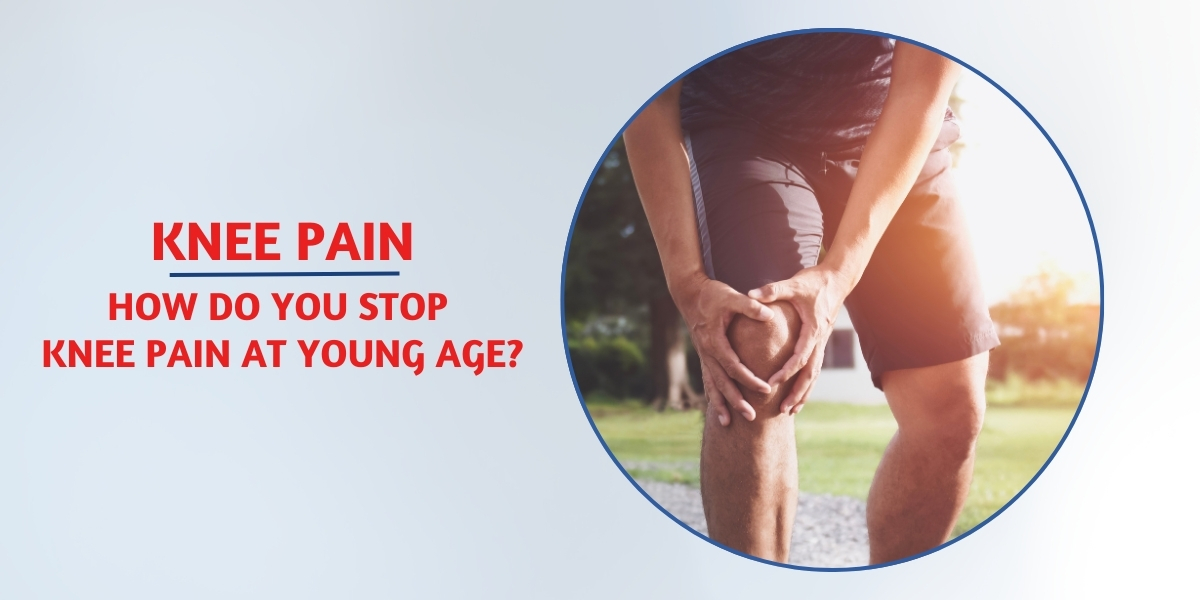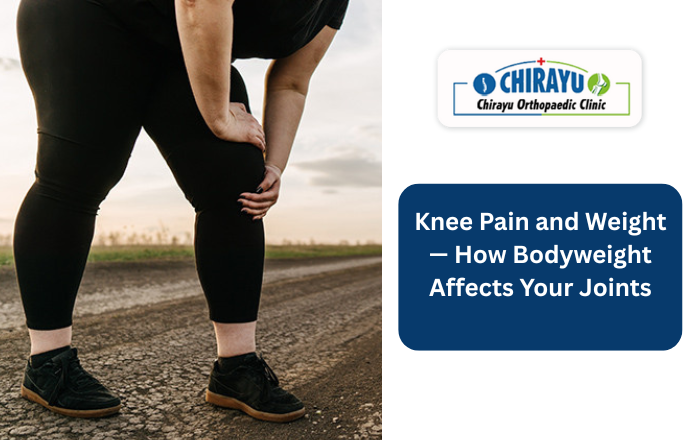
Knee pain is one of the most common complaints among adults today, affecting people of all ages—not just seniors. While injuries, aging, and medical conditions play a role, one major factor is often overlooked: body weight. The knees are weight-bearing joints, and every extra kilogram places additional stress on them. Understanding the connection between weight and knee health can help you prevent pain, manage symptoms, and protect your mobility for the long term.
Why the Knees Are So Vulnerable
The knee joint acts as a shock absorber for your body. Every time you walk, climb stairs, run, or even stand up from a chair, your knees carry your body weight. In fact, during activities like walking, the knees experience two to three times your body weight, and even more while running or jumping.
This constant load makes the knees especially sensitive to changes in body weight. Even small increases can have a significant impact over time.
How Excess Weight Increases Knee Pain
1. Added Mechanical Stress
Extra weight directly increases pressure on the knee joint. For every additional kilogram of body weight, the knees can feel three to four kilograms of extra force during movement. Over time, this added pressure accelerates wear and tear of the cartilage that cushions the joint.
2. Faster Cartilage Breakdown
Cartilage is the smooth tissue that allows your knees to move comfortably. Excess body weight speeds up cartilage degeneration, increasing the risk of conditions like osteoarthritis. Once cartilage begins to thin, bones rub against each other, causing pain, stiffness, and swelling.
3. Inflammation and Joint Damage
Fat tissue is not inactive—it releases inflammatory chemicals in the body. These chemicals can worsen joint inflammation, making knee pain more intense and persistent, even without visible injury.
The Link Between Obesity and Knee Osteoarthritis
Research consistently shows that people who are overweight or obese have a much higher risk of developing knee osteoarthritis. This condition is one of the leading causes of chronic knee pain and reduced mobility worldwide.
The risk is not only higher—it also appears earlier in life for individuals carrying excess weight. Simple daily activities like walking short distances or standing for long periods can become painful much sooner.
Can Losing Weight Really Help Knee Pain?
The answer is a clear yes. Even modest weight loss can make a noticeable difference.
Benefits of Weight Reduction for Knees
-
Reduced pressure on knee joints
-
Slower progression of cartilage damage
-
Less inflammation and stiffness
-
Improved mobility and balance
-
Reduced need for pain medication
Studies suggest that losing just 5–10% of body weight can significantly reduce knee pain and improve function in people with arthritis.
Weight Distribution and Posture Matter Too
It’s not only about how much you weigh, but how your body carries that weight. Poor posture, weak core muscles, and uneven walking patterns can place extra strain on the knees.
Common contributors include:
-
Flat feet or high arches
-
Weak thigh and hip muscles
-
Incorrect walking or running techniques
-
Long hours of sitting followed by sudden activity
Addressing these factors along with weight management offers better protection for your knees.
Low-Impact Exercises for Knee Health
-
Walking on flat surfaces
-
Cycling
-
Swimming or water aerobics
-
Strength training for thighs and hips
-
Stretching and flexibility exercises
These activities help strengthen the muscles that support the knee, reduce stress on the joint, and aid in healthy weight management.
Diet’s Role in Joint Health
Weight control starts in the kitchen. A balanced, anti-inflammatory diet can support both weight loss and joint health.
Foods That Support Healthy Joints
-
Fresh fruits and vegetables
-
Lean proteins
-
Whole grains
-
Omega-3 rich foods like nuts and seeds
-
Adequate water intake
Avoiding excess sugar, refined carbs, and processed foods can also help reduce inflammation and prevent weight gain.
When to Seek Medical Advice
If knee pain persists despite lifestyle changes, it’s important to consult a healthcare professional. Warning signs include:
-
Pain lasting more than a few weeks
-
Swelling or stiffness that limits movement
-
Difficulty walking or climbing stairs
-
Pain even while resting
Early evaluation can prevent further damage and help you choose the right treatment plan.