Every year, millions of people suffer serious injuries due to road accidents, falls, workplace incidents, and sports-related trauma. In many of these cases, timely accident and trauma surgery plays a critical role in saving lives, preventing permanent disability, and helping patients recover faster.
Trauma is one of the leading causes of death and disability worldwide, especially among young adults. When a person experiences severe injuries, every minute counts.
What Is Accident & Trauma Surgery?
Accident and trauma surgery is a specialized branch of surgery focused on treating injuries caused by sudden physical trauma. These injuries often involve multiple body systems and require urgent medical intervention.
Trauma surgeons are trained to diagnose and manage life-threatening injuries affecting:
- Bones and joints
- Muscles and soft tissues
- Internal organs
- Blood vessels
- Chest and abdomen
- Spine and pelvis
The primary goal is to stabilize the patient, stop internal bleeding, repair damaged organs or bones, and restore normal body function.
Common Causes of Serious Injuries
Trauma surgery is commonly required after accidents such as:
- Road traffic accidents
- Motorcycle crashes
- Falls from heights
- Industrial and workplace accidents
- Sports injuries
- Crush injuries
- Assault-related injuries
- Heavy object injuries
These accidents can cause complex fractures, internal bleeding, organ damage, head injuries, and spinal trauma that require immediate surgical care.
When Is Trauma Surgery Necessary?
Not every injury requires surgery. However, emergency surgery becomes necessary when injuries threaten life or long-term health.
Trauma surgery may be required if the patient has:
- Severe fractures
- Internal bleeding
- Chest injuries
- Abdominal injuries
- Organ rupture
- Pelvic fractures
- Multiple bone fractures
- Open fractures
- Spinal injuries
- Vascular injuries
Delaying treatment in such situations can significantly increase complications and reduce survival chances.
How Accident & Trauma Surgery Saves Lives
1. Controls Life-Threatening Bleeding
One of the biggest dangers after a serious accident is uncontrolled internal bleeding.
Trauma surgeons quickly identify the source of bleeding and perform emergency surgery to stop blood loss. This prevents shock, organ failure, and death.
2. Repairs Damaged Internal Organs
High-impact accidents can damage organs such as:
- Liver
- Spleen
- Kidneys
- Intestines
- Lungs
Emergency surgical repair helps preserve organ function and prevents life-threatening infections or complications.
3. Treats Complex Fractures
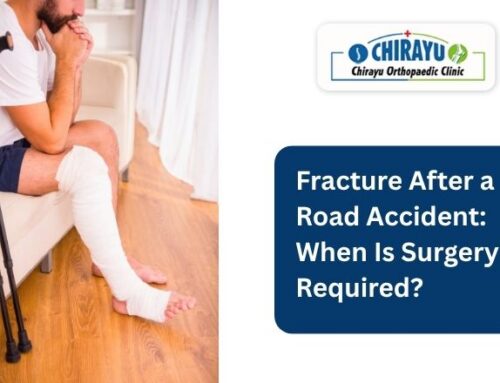
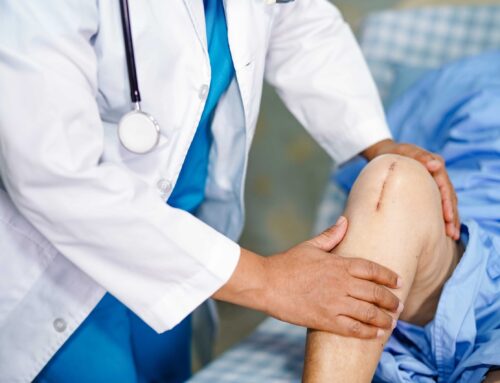
Serious accidents often result in broken bones that cannot heal properly without surgery.
Trauma surgeons use advanced fixation techniques such as:
- Plates
- Screws
- Rods
- External fixators
These methods stabilize the bones and promote faster healing while restoring mobility.
4. Prevents Permanent Disability
Without proper treatment, severe injuries may lead to:
- Limb deformities
- Chronic pain
- Joint stiffness
- Nerve damage
- Permanent disability
Early surgical intervention significantly improves long-term outcomes and functional recovery.
5. Restores Blood Flow
In some accidents, blood vessels become damaged or blocked.
Trauma surgeons repair these vessels to restore circulation and prevent tissue death or limb loss.
6. Supports Faster Recovery
Modern trauma surgery techniques focus on:
- Minimally invasive procedures where possible
- Early stabilization
- Pain management
- Rehabilitation planning
This approach helps patients recover more quickly and return to daily life sooner.
Recovery After Trauma Surgery
Recovery depends on the severity of the injury and the patient’s overall health.
A complete recovery plan usually includes:
Physiotherapy
Physical therapy helps restore:
- Strength
- Flexibility
- Balance
- Joint movement
Pain Management
Proper pain control allows patients to participate actively in rehabilitation.
Nutrition
A balanced diet rich in protein, vitamins, and minerals supports tissue healing and bone repair.
Follow-Up Care
Regular follow-up appointments allow surgeons to monitor healing and address any complications early.
Frequently Asked Questions (FAQs)
1. What is accident and trauma surgery?
Accident and trauma surgery is a medical specialty that treats severe injuries caused by accidents, falls, sports injuries, and other emergencies requiring immediate surgical care.
2. When should I see a trauma surgeon after an accident?
Seek immediate medical attention if you experience severe pain, uncontrolled bleeding, suspected fractures, chest pain, abdominal pain, difficulty breathing, or loss of consciousness after an accident.
3. Can all fractures be treated without surgery?
No. Simple fractures may heal with casting, but complex, displaced, open, or multiple fractures often require surgical fixation for proper healing.
4. How long does recovery take after trauma surgery?
Recovery varies depending on the severity of the injury. Minor procedures may heal within weeks, while complex injuries may require several months of rehabilitation.
Don’t Delay Critical Trauma Care
Dr. Vinil Shinde, recognized as the Best Arthroscopy Surgeon Doctor in Kothrud, specializes in accident and trauma surgery, fracture management, arthroscopic procedures, and comprehensive orthopedic care. With a patient-centric approach and advanced surgical expertise, Dr. Shinde is committed to helping patients regain mobility and return to an active, pain-free life.